Hi, I'm Paniz Peiravani



Hello! My name is Paniz Peiravani. I earned my Bachelor's degree in Computer Engineering from the City College of New York (CCNY). I then completed dual Master's degrees in Earth System Science and Environmental Engineering at CCNY and Environmental Modeling and Decision Making at the United Nations University (UNU).
I am currently a Ph.D. candidate in Electrical Engineering in conjunction with the Environmental Engineering Program at the City College of New York (CCNY). My research focuses on flash flood prediction, where I develop machine learning and data-driven methods that integrate computational techniques with environmental engineering to improve flood forecasting and reduce climate-related risks and disasters. Through interdisciplinary research, I strive to develop resilient technologies that support informed decision-making and contribute to a more sustainable future.
Experience
Skills
Education
Languages



Earth System Science & Environmental Engineering

Environmental Modeling and Decision Making

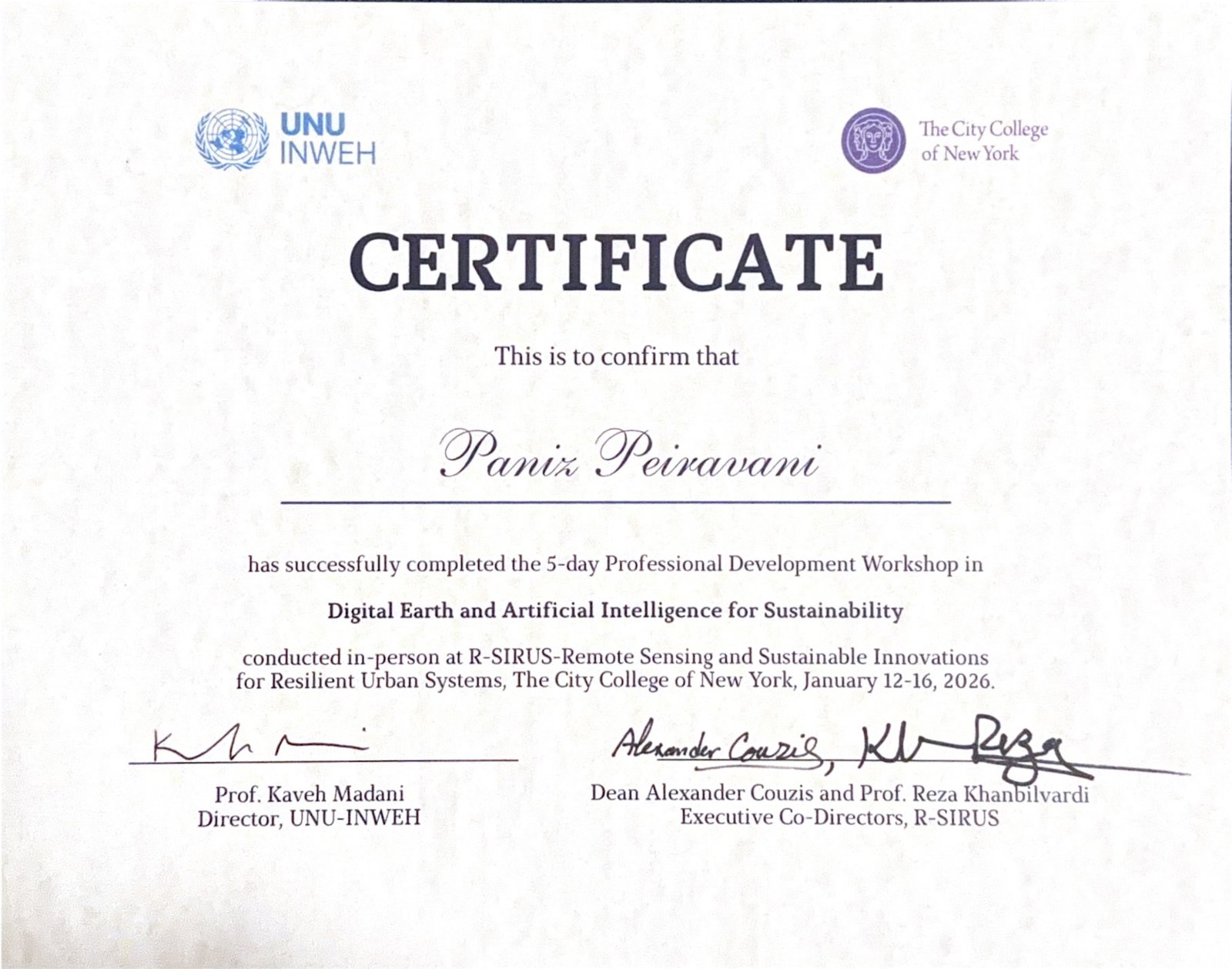
Digital Earth and Artificial Intelligence for Sustainability
Mentor and Researcher

Computer Engineering
Magna Cum Laude

Engineering Leadership

Foundation of Project Management

Project Initiation Starting a Successful Project

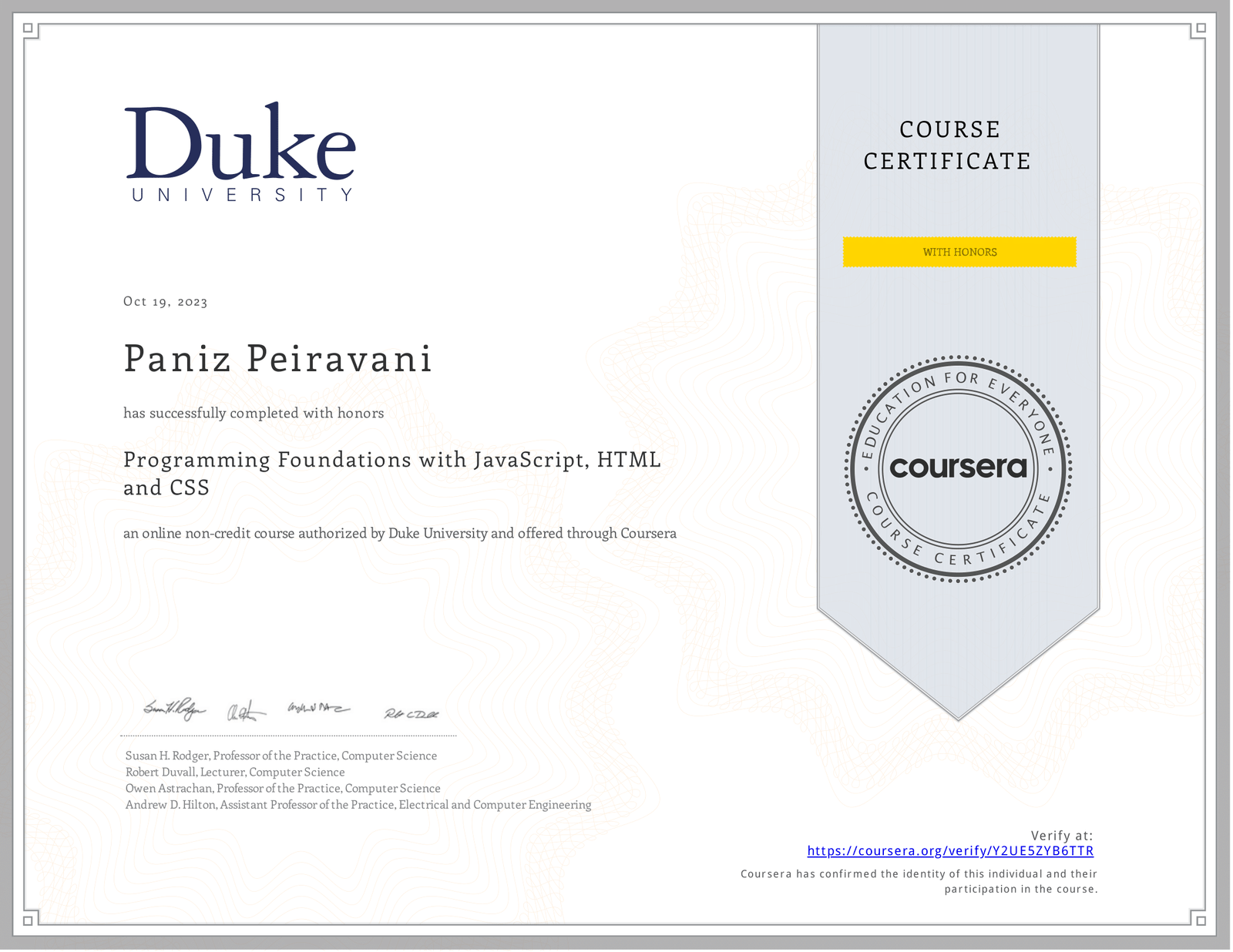
Programming Foundations with JavaScript, HTML, and CSS
Path of Meditation

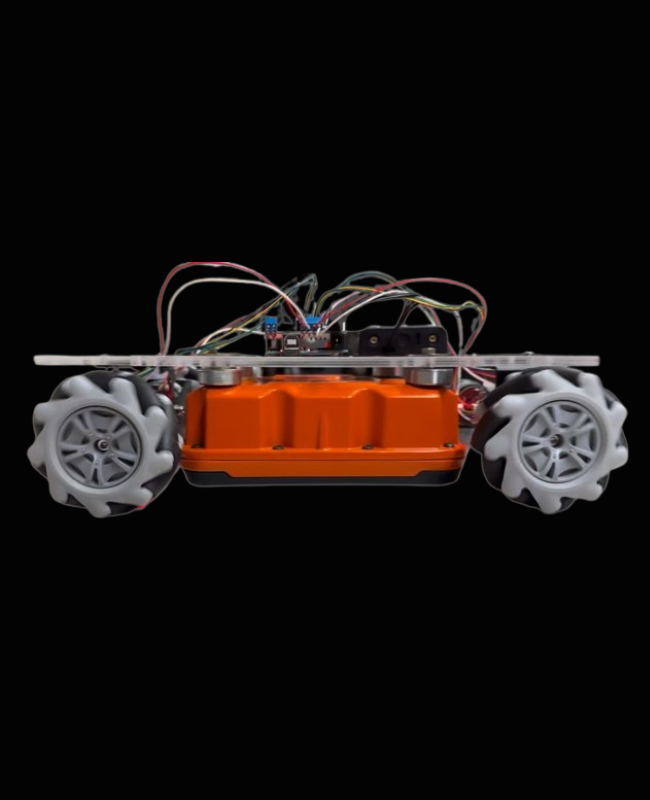
This project outlines the design and construction of an autonomous ground-penetrating radar (GPR) robot. The robot features a custom acrylic and aluminum frame that balances structural strength and weight for enhanced mobility. Omnidirectional wheels allow flexible scanning patterns, enabling efficient GPR data collection for improved mapping across various fields.
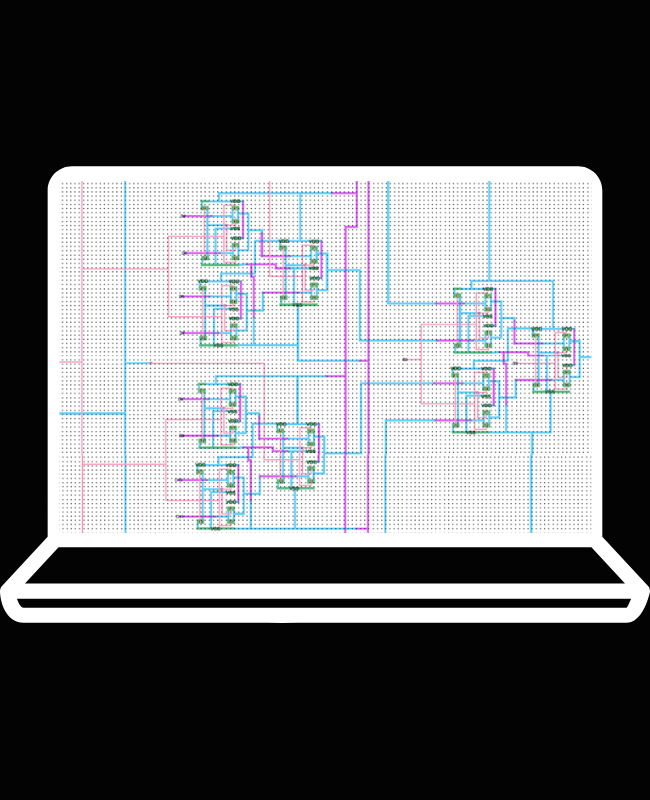
The purpose of this project was to implement a 16-to-1 Multiplexer using Electric software, employing both Transmission Gate and Static circuit designs to analyze their differences and similarities. We used IRSIM and LTSpice to obtain output waveforms and verify the design against the 16-to-1 Mux truth table.


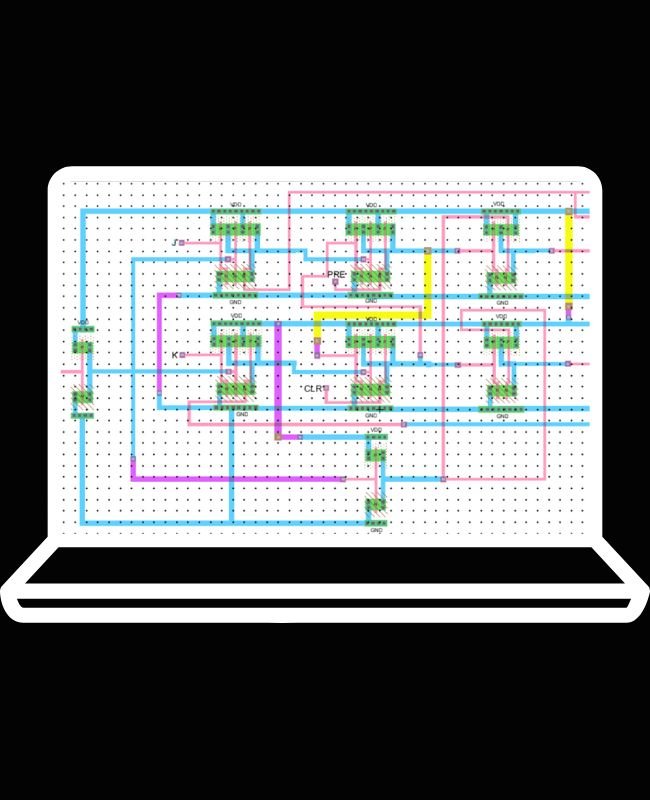
The purpose of this project is to design an 8-bit ripple carry adder in Electric software, which adds two 8-bit numbers. The adder consists of eight 1-bit full adders in sequence, with each carry-out connected to the carry-in of the next adder. This setup creates a ripple effect as the carry bit propagates from the least significant to the most significant bit"
Copyright © Paniz Peiravani